
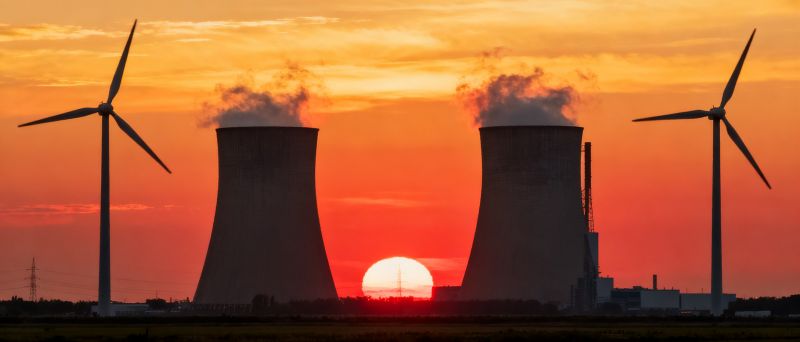
Belgium and Denmark share more than just a reputation for beer and bicycles. Both are small, trade-dependent European monarchies with high living standards and a deep imprint on EU policy. But when it comes to energy transition and industrial strategy, they have taken strikingly different routes—and the contrast says a lot about how geography and political culture shape outcomes.Denmark’s wind story is almost folklore now. From the 1970s oil shocks to today’s 50% wind share in electricity generation, the country bet early on cooperatives and local ownership. Vestas and Ørsted grew out of that ecosystem. Belgium, meanwhile, went nuclear. Seven reactors once supplied roughly half its electricity. The phase-out is now underway, but the delay and debate have left a gap that gas and imports are filling. I watched this play out in energy conferences in Brussels—Danish officials speak of “energy islands” and sector coupling with a kind of missionary zeal。while Belgian counterparts talk about grid stability and capacity auctions. Same goal, different instincts.Belgium and Denmark also diverge on industrial policy. Denmark has doubled down on a green frontrunner strategy: offshore wind, power-to-X。
and a carbon tax that industry has largely learned to live with. Belgium’s approach is more defensive, protecting its chemical and pharmaceutical clusters while trying to attract battery and hydrogen investment. The Port of Antwerp-Bruges is betting big on hydrogen imports—a pragmatic move for a country with limited renewable space. In Denmark, the Port of Esbjerg has become a staging ground for North Sea wind. One is importing molecules, the other exporting turbines.On social policy, the differences are subtler but real. Denmark’s flexicurity model—easy hiring and firing paired with generous benefits—has made green job transitions smoother. Belgium’s rigid wage indexation and early retirement culture create friction. I recall a Belgian union representative telling me that “just transition” means keeping the same jobs, while a Danish counterpart described it as helping people move to new ones. That’s a cultural gap, not just a policy one.Both countries punch above their weight in the EU, often as bridge-builders between north and south. Belgium and Denmark were among the first to push for a 55% emissions cut by 2030. Yet their domestic records will shape their credibility. Denmark’s consensus-driven politics deliver long-term planning;Belgium’s fragmented coalitions produce stop-start decisions. For observers of small-state climate diplomacy, the lesson is that size isn’t destiny—but institutional memory is. The next five years will test whether Belgium can turn its phase-out into a launchpad, and whether Denmark can scale its wind success without losing public buy-in.